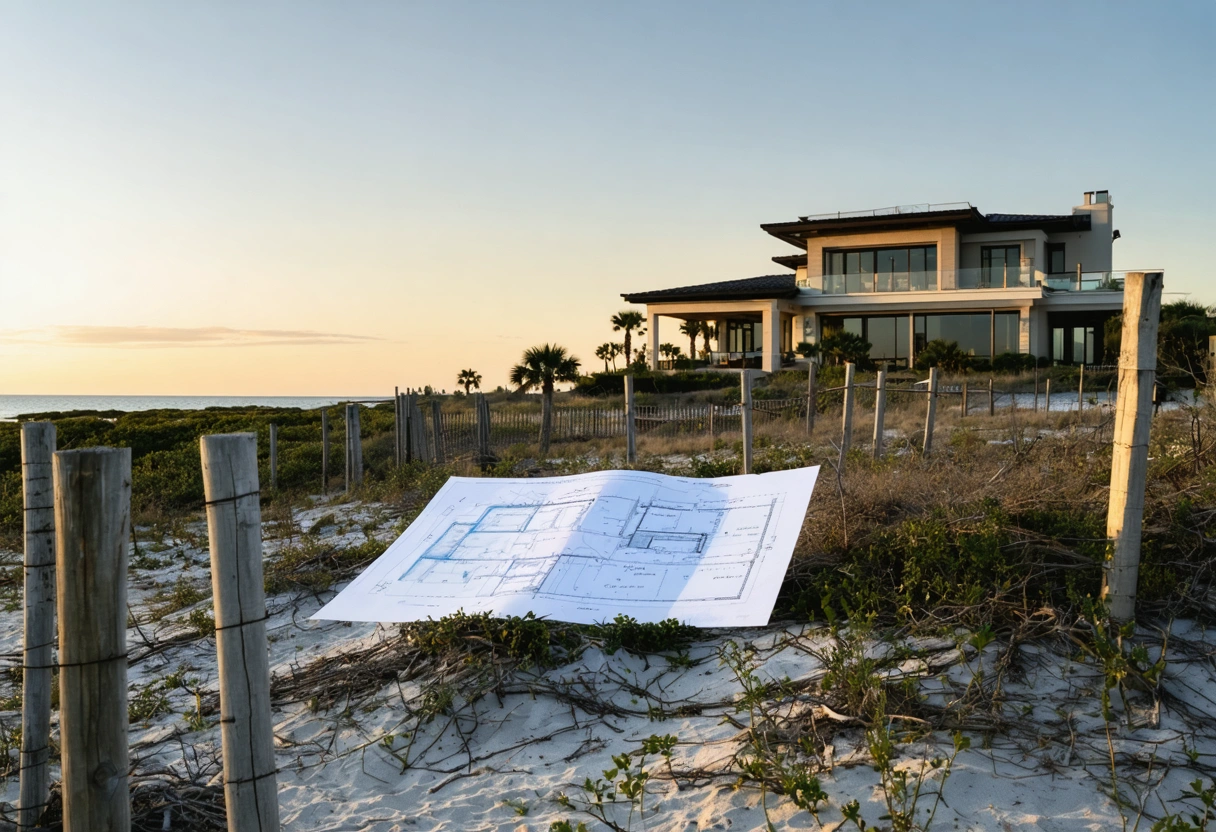
Construction and remodeling on Boca Grande require more than excellent design and craftsmanship. Every project must also move through permitting, scheduling, procurement, and site coordination within the realities of a barrier island. Decisions made early can affect review timelines, delivery access, trade sequencing, property protection, and the overall pace of construction.
For homeowners, especially seasonal residents managing a property from afar, careful preconstruction planning provides clarity and reduces avoidable disruption. A well prepared project team identifies regulatory requirements, verifies existing conditions, coordinates design documents, and develops an island specific logistics plan before work begins.
Permitting Begins With a Clear Understanding of the Property
The permitting process is not simply an administrative step that follows design. It should inform the project from its earliest stages. The property location, flood zone, existing structure, proposed scope, and applicable local and state requirements can influence what may be built, how plans must be documented, and which approvals are needed.
Before finalizing a design, the contractor and design team should confirm available property records and compare them with current site conditions. Surveys, elevation information, prior permits, structural details, and existing mechanical, electrical, and plumbing systems may all be relevant. Older Boca Grande homes can require additional investigation because original drawings may be incomplete or the residence may have been altered over time.
Coordinating the Design and Permit Documents
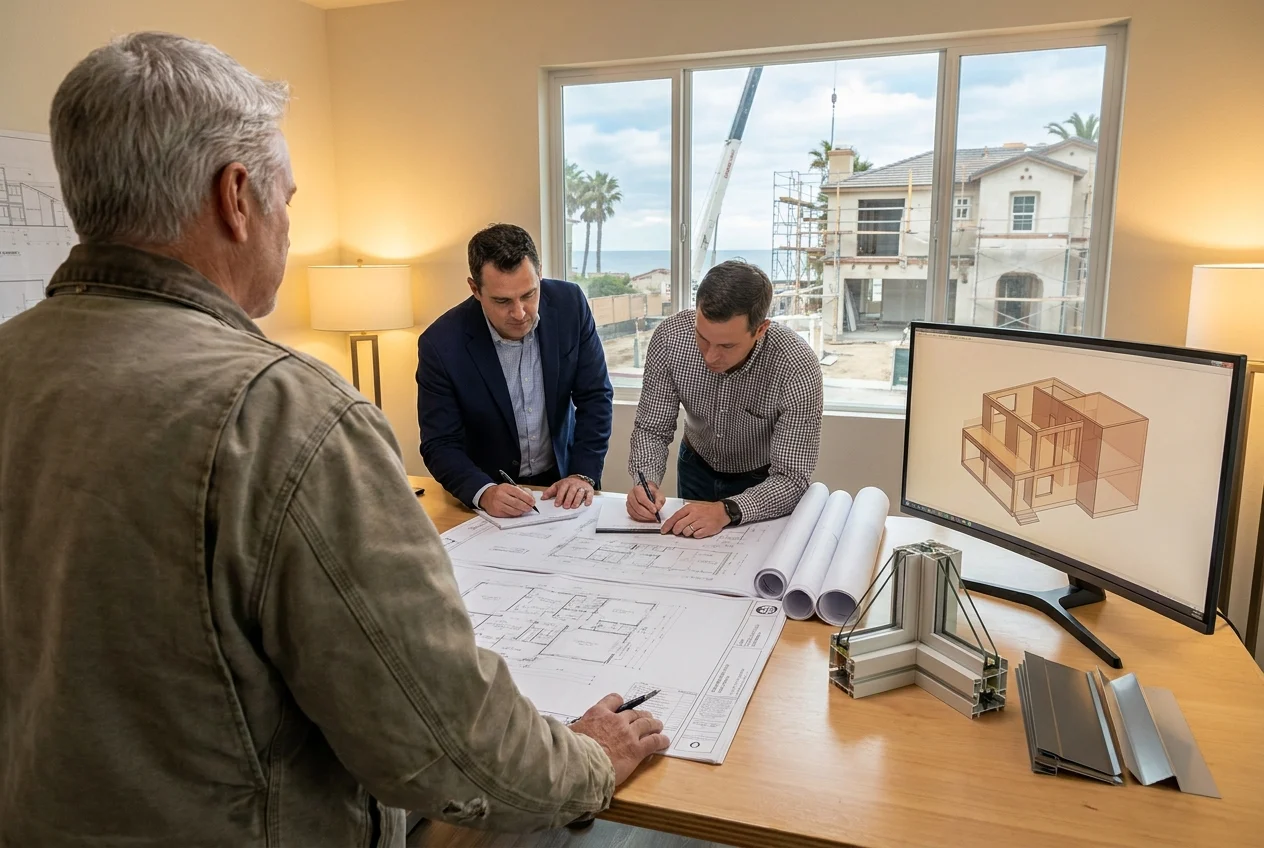
A complete, coordinated plan set helps reviewers understand the work and gives the construction team reliable information for pricing and execution. Architectural, structural, electrical, plumbing, mechanical, and site documents should describe the same scope without conflicting details. Product approvals and installation requirements may also be necessary for exterior components exposed to coastal wind and weather.
Changes made after permit submission can create additional review, revised pricing, or procurement complications. Homeowners benefit from resolving major layout choices, structural modifications, window and door selections, and exterior design details before the application is assembled. This does not eliminate every field decision, but it establishes a disciplined foundation for the project.
Planning for Reviews, Revisions, and Inspections
Permit review should be treated as a planned phase rather than an exact calendar promise. Review comments may require clarification or revised drawings, particularly when a project involves structural changes, flood related requirements, substantial remodeling, or work on an older home. A responsive team tracks comments, coordinates answers among the appropriate professionals, and resubmits complete information promptly.
Once construction starts, required inspections must be incorporated into the schedule. Work should be sequenced so completed areas remain visible and accessible until they are approved. Covering work too early or calling for an inspection before the site is ready can lead to reinspection, disrupted trade schedules, and unnecessary cost.
Island Logistics Shape the Construction Schedule
Gasparilla Island presents practical conditions that differ from those of a typical mainland project. Limited staging space, bridge access, neighborhood considerations, delivery timing, and seasonal activity can all affect daily operations. These factors are manageable when they are addressed during preconstruction rather than after materials and crews are already in motion.
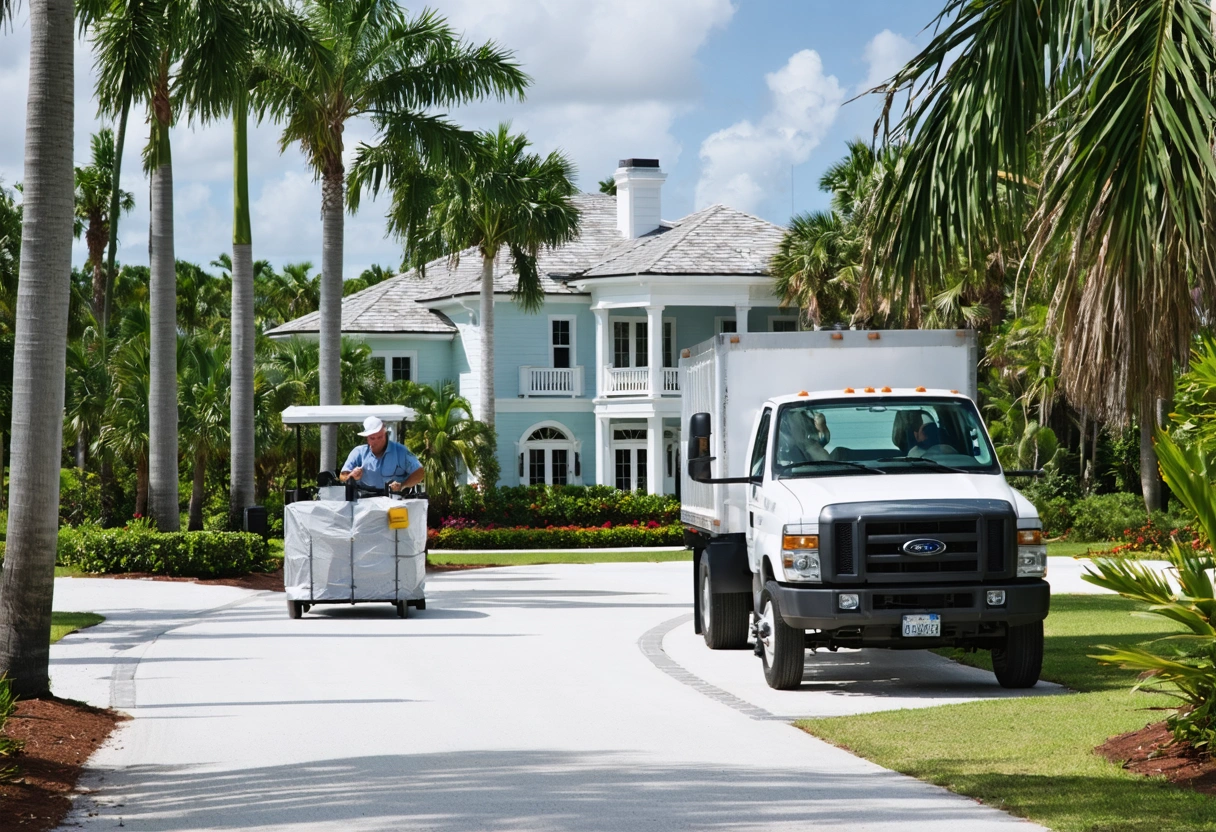
A thoughtful logistics plan identifies where materials will be received, how they will be protected, where trades can park, and how debris will leave the site. It should also account for occupied neighboring properties, landscaping, driveways, and finished areas that must remain undisturbed. On a luxury property, protecting the home and maintaining a clean, orderly site are integral parts of the work.
Scheduling Deliveries and Material Storage
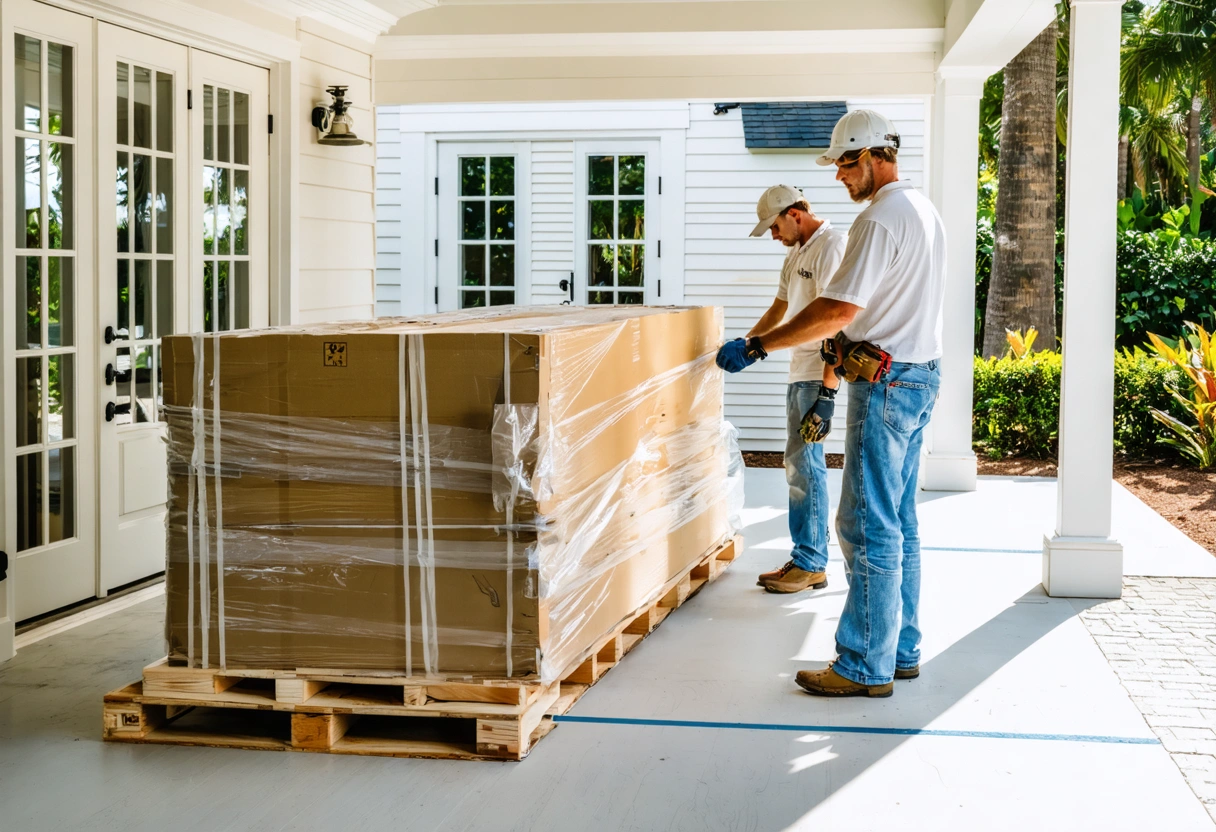
Large or delicate items require special coordination. Cabinetry, stone, windows, doors, appliances, and custom millwork may have long lead times and specific unloading needs. Before ordering, the project team should verify dimensions, access routes, storage conditions, installation readiness, and the equipment needed to move each item safely.
Just in time delivery can reduce congestion, but it depends on accurate scheduling and dependable communication. Materials that arrive too early may be exposed to moisture, salt air, damage, or theft. Materials that arrive late can interrupt several trades at once. Procurement tracking should therefore be connected directly to field progress, not managed as a separate activity.
Coordinating Crews, Parking, and Site Access
Material deliveries are only one part of island logistics. Each phase also requires coordinated access for subcontractors, inspectors, service vehicles, and specialized equipment. Parking may be limited, and too many vehicles arriving at once can restrict deliveries, inconvenience neighbors, or create unsafe working conditions.
A detailed construction schedule should account for the number of trades that can work productively on the property at one time. For example, cabinet installation, interior painting, electrical trim, and flooring work may all appear compatible on paper. In practice, each trade needs room to stage tools and materials while protecting finished surfaces. Thoughtful sequencing often produces better progress than crowding the site with multiple crews.
Access requirements should also be evaluated before scheduling cranes, lifts, concrete trucks, dumpsters, or other large equipment. The team may need to confirm turning space, overhead clearance, driveway capacity, ground conditions, and safe equipment placement. Identifying these constraints early allows the contractor to select appropriate methods and avoid preventable delays on installation day.
Protecting Neighboring Properties and Island Character
Boca Grande projects frequently take place near occupied homes, established landscaping, and carefully maintained streetscapes. Respectful site management helps preserve the quiet residential environment while construction is underway.
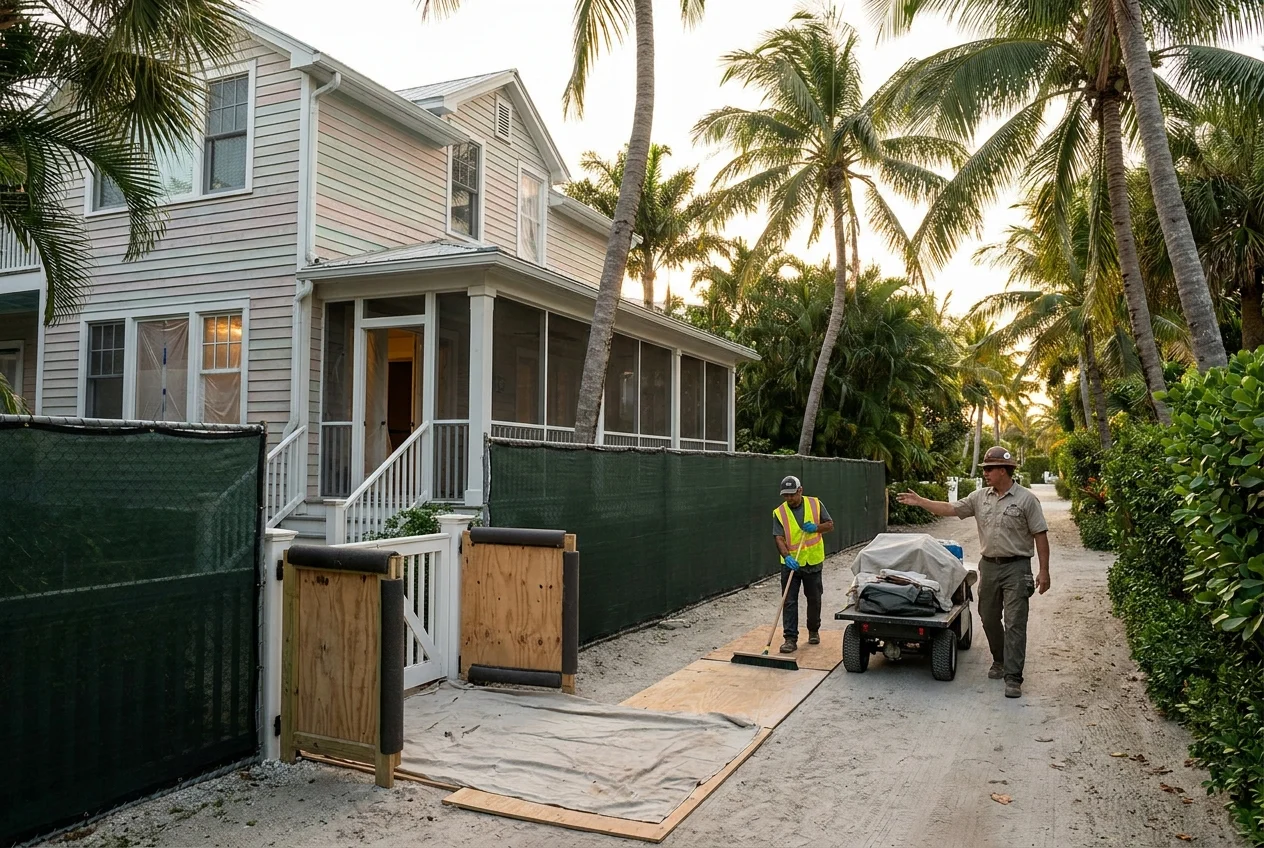
Protection may include temporary fencing, designated access paths, dust barriers, floor coverings, landscape protection, and regular cleaning. Where a driveway or neighboring property is close to the work area, delivery instructions should be especially precise.
Clear communication with affected neighbors can also prevent misunderstandings. Advance notice of an unusually large delivery, temporary access issue, or noisy phase of work demonstrates professional stewardship.
Coastal Conditions Influence Material Handling and Construction Methods
Coastal exposure affects more than the completed home. It also influences how materials should be transported, stored, installed, and protected during construction. Humidity, wind driven rain, intense sunlight, and salt laden air can damage products before they are incorporated into the building if site controls are inadequate.
Wood products, cabinetry, flooring, and millwork should be stored in suitable conditions and allowed to acclimate according to manufacturer requirements. Metal components and finish hardware should remain protected from salt exposure and standing moisture.
Maintaining a Weather Ready Site
Weather planning should remain active throughout the project. Temporary roof protection, secured openings, drainage paths, material coverings, and site housekeeping all require regular inspection. Loose materials must be secured, especially when elevated winds are expected.
During remodeling, temporary weather protection is particularly important because portions of the existing home may remain occupied or contain valuable finishes and furnishings. Before removing windows, doors, roofing, or exterior walls, the team should confirm that replacement materials are available and that temporary protection can be installed quickly if conditions change.
A seasonal weather plan should also address how the site will be secured if work is interrupted. This may involve closing exterior openings, relocating vulnerable materials, removing loose debris, documenting site conditions, and confirming responsibility for monitoring the property.
Protecting Completed Work as Construction Advances
High quality finishes can be damaged when later trades work nearby. Once flooring, cabinetry, stone, glass, plumbing fixtures, or custom millwork is installed, the protection plan should evolve with the project.
Protection is not limited to visible finishes. Completed waterproofing, flashing, drainage components, and mechanical systems should be inspected before they are concealed. Photographic documentation can provide a useful record of hidden conditions, particularly for homeowners who are not present during construction.
Procurement Decisions Should Support the Field Schedule
Permit progress, purchasing, and construction sequencing must be managed together. A project can have an approved permit and still lose momentum if critical materials have not been selected, released, or fabricated.
A procurement schedule should identify required selection dates, shop drawing reviews, deposit requirements, fabrication periods, shipping windows, and installation dependencies. Long lead products deserve early attention, but every item should be verified against the final plans and actual field conditions before it is released.
Field Verification Before Fabrication
Custom products often depend on dimensions that cannot be confirmed until demolition or framing is complete. Cabinetry, shower glass, stone, railings, built ins, and specialty doors are common examples.
Rushing this process can result in expensive corrections. A carefully managed team distinguishes between products that can be ordered from the drawings and products that require verified site measurements.
Managing Substitutions Without Compromising the Design
Availability can change between design and construction. If a specified product becomes unavailable, the replacement should be evaluated for more than appearance and price. Dimensions, installation requirements, performance ratings, finish compatibility, maintenance needs, and warranty terms may all affect whether a substitution is appropriate.
On a coastal project, material compatibility is especially important. Fasteners, connectors, flashings, coatings, and adjacent metals must be selected with exposure conditions in mind. A seemingly minor substitution can affect durability or require changes to surrounding assemblies.
Remote Homeowners Need Structured Project Communication
Many Boca Grande owners manage construction while living elsewhere for part of the year. Distance does not need to reduce visibility into the project, but it does make disciplined communication essential.

A consistent reporting process may include schedule updates, progress photographs, procurement status, inspection results, upcoming decisions, and a record of approved changes. The objective is not to overwhelm the owner with daily site detail.
Establishing Decision Protocols
Before construction begins, the owner and project team should establish points of contact and approval procedures. If an architect, interior designer, property manager, or owner representative is involved, each person’s role should be clear.
Selection deadlines should be tied to the construction schedule. A plumbing fixture decision, for example, can affect rough opening locations, valve installation, cabinetry, countertops, and stone layouts.
Documenting Existing Conditions and Progress
Preconstruction documentation creates a clear record of the property before work begins. Photographs and written observations may cover existing finishes, landscaping, neighboring areas, access routes, and portions of the home that will remain.
Ongoing documentation should capture important milestones as well as concealed work. Framing, structural connections, waterproofing, flashing, mechanical pathways, and utility locations can be recorded before walls and ceilings are closed.
With organized communication and thorough documentation, remote homeowners can remain meaningfully involved without managing daily field operations. The contractor can then provide the attentive project stewardship needed to keep permitting, procurement, inspections, and island logistics aligned.
Need help with Boca Grande Permitting and Island Logistics: How Careful Planning Keeps Projects Moving?