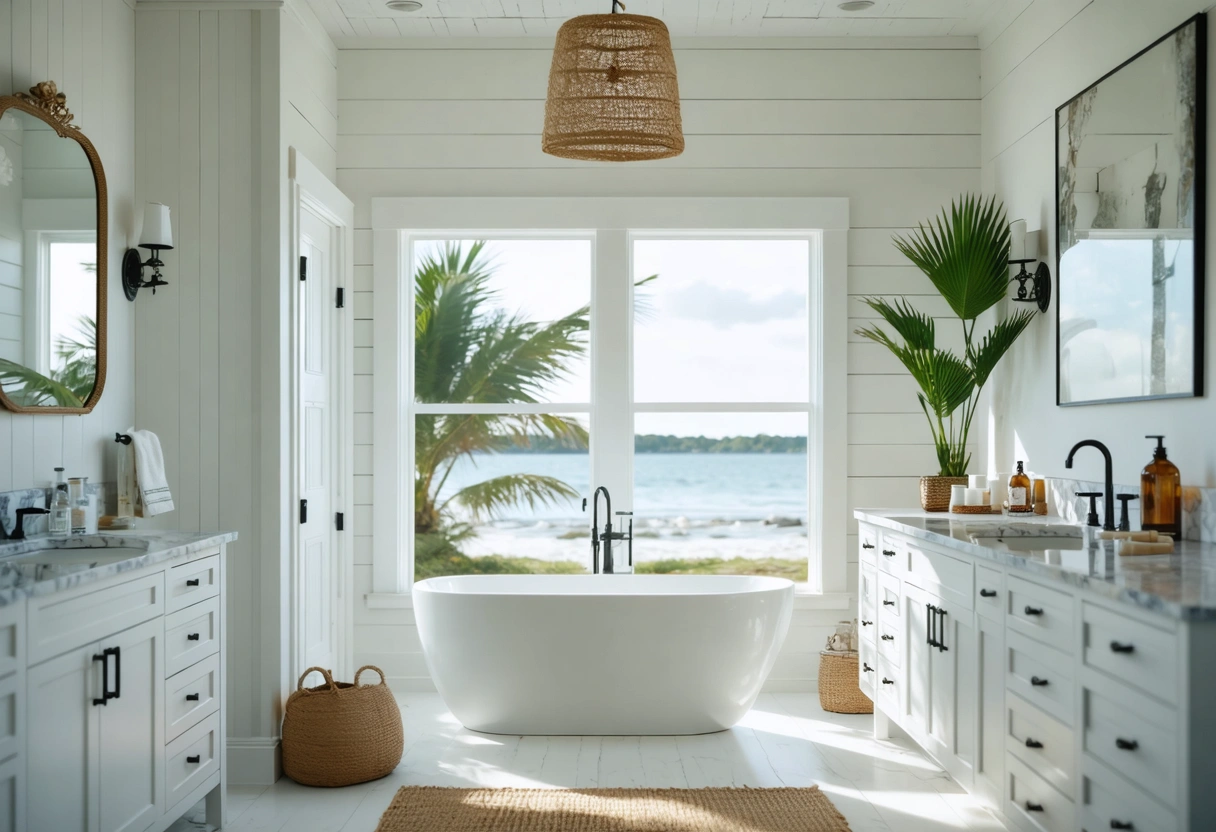
Renovating a bathroom on Gasparilla Island requires more than selecting attractive tile and fixtures. High humidity, salty air, wind driven rain, and frequent temperature changes can shorten the life of materials that perform well in less demanding environments. Thoughtful product selection helps prevent corrosion, swelling, mildew, and premature finish failure.
The most successful coastal bathrooms combine durable materials with effective moisture management. Homeowners should consider how every surface, fastener, cabinet, and fixture will respond to daily steam as well as the island’s salt laden air, especially in homes that remain open to breezes or are occupied seasonally.
Start With a Coastal Moisture Control Strategy
A bathroom may appear dry after the visible water is wiped away, but moisture can remain in grout joints, wall cavities, cabinetry, and fabrics. On Gasparilla Island, humid outdoor air can make evaporation slower and increase the likelihood of mold, peeling paint, and swollen wood products. A renovation plan should therefore address ventilation, waterproofing, and material durability as a coordinated system.
Install a properly sized exhaust fan that vents outdoors rather than into an attic or enclosed ceiling space. A humidity sensing control can keep the fan operating until moisture levels decline, which is particularly useful in guest bathrooms and vacation properties. If the room has air conditioning, balanced airflow and a suitable gap beneath the door can also help remove humid air without leaving the bathroom feeling damp or stagnant.
Waterproof Beyond the Most Obvious Wet Areas
Tile and grout are not a complete waterproofing system. Showers need a continuous membrane behind or beneath their finished surfaces, with careful treatment around niches, benches, plumbing penetrations, and transitions at the floor. Sheet membranes and properly applied liquid waterproofing products can both perform well when installed according to the manufacturer’s required thickness and detailing methods.
Consider extending water resistant assemblies beyond the shower in bathrooms used after boating, swimming, or beach outings. Waterproof underlayment beneath the floor, moisture resistant wallboard in appropriate areas, and sealed transitions near tubs and vanities provide added protection from splashes, wet towels, and tracked in sand.
Choose Surfaces That Resist Humidity, Salt, and Sand
Coastal bathroom finishes need to tolerate moisture while remaining easy to clean. Dense porcelain tile is often a practical choice for floors and shower walls because it absorbs very little water and is available in finishes that resemble stone or wood. For flooring, prioritize a textured or matte surface with suitable slip resistance, since polished finishes can become hazardous when wet.

Large format porcelain can reduce the number of grout joints, but installation requires a flat substrate and experienced layout planning. Epoxy grout or a high performance cementitious grout can offer improved stain and moisture resistance compared with basic grout products. Regardless of the product selected, correct joint preparation and curing are essential for long term performance.
Use Natural Stone Selectively
Marble, limestone, and other natural stones can create an elegant coastal appearance, but many varieties are porous and sensitive to acidic cleaners. They may require periodic sealing and more careful maintenance than porcelain. Before choosing stone for a shower or floor, homeowners should evaluate its absorption rate, finish, expected upkeep, and tolerance for sandy foot traffic.
Quartz and porcelain slabs are generally lower maintenance options for vanity tops. Both provide a nonporous or highly water resistant surface with fewer maintenance demands than many natural stones. Edges, seams, sink openings, and wall transitions should still be sealed carefully to keep water from reaching the cabinet structure below.
Avoid Moisture Sensitive Trim and Cabinet Components
Standard medium density fiberboard can swell when exposed to persistent moisture, particularly at unfinished edges and around plumbing leaks. For vanities, marine grade plywood, exterior rated plywood, solid wood with a durable finish, or high quality polymer based cabinetry may provide better resilience. Cabinet boxes should also be elevated or protected at the base so minor floor moisture does not wick into the material.
For baseboards and decorative trim, PVC, composite, tile, or properly finished moisture resistant wood can outperform conventional fiberboard. Any wood product should be sealed on all sides, including cut ends and concealed edges, before installation. This extra preparation limits moisture absorption and helps painted finishes remain intact in Gasparilla Island’s humid conditions.
Select Corrosion Resistant Fixtures and Hardware
Salt carried through open windows, doors, clothing, and beach gear can settle on faucets, hinges, fasteners, and lighting components. Over time, this residue attracts moisture and accelerates corrosion.
Marine grade stainless steel, particularly type 316 stainless steel, offers strong resistance to salt related corrosion. Solid brass is another dependable option for faucets, shower fittings, drains, and cabinet hardware when protected by a high quality finish.
Compare Fixture Finishes Carefully
Polished chrome is widely available and relatively easy to clean, although it may show water spots. Brushed nickel and stainless finishes can conceal fingerprints and minor spotting, but their durability varies by manufacturer.
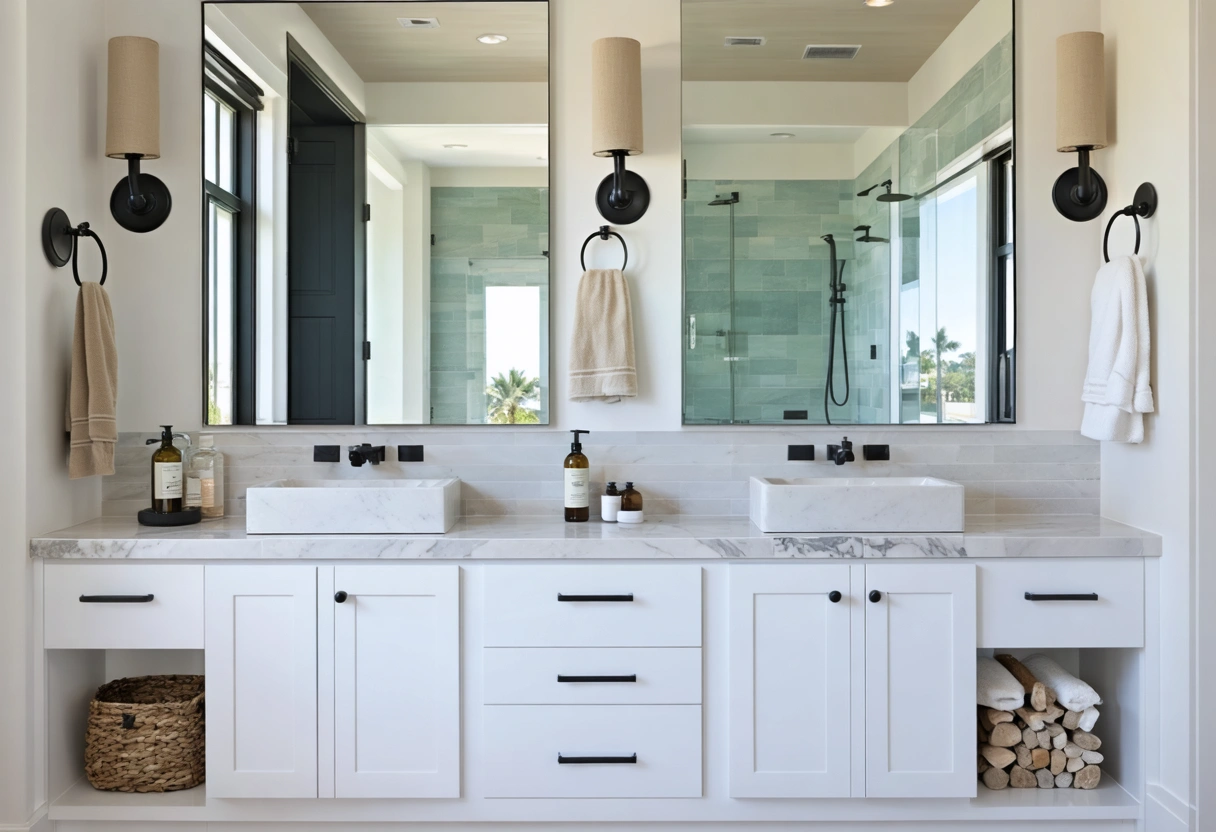
Matte black fixtures can create a strong contrast in a light coastal bathroom, but mineral deposits and salt residue may be noticeable on the dark surface.
Pay Attention to Concealed Fasteners
Screws, brackets, anchors, and clips are easy to overlook, yet corrosion in these components can loosen mirrors, shower enclosures, towel bars, and cabinetry. Specify stainless steel or another corrosion resistant material for exposed and concealed fasteners whenever possible.
Shower enclosure hardware should be selected as a complete system suited to humid conditions. Hinges, channels, handles, and support bars need compatible finishes and corrosion resistant construction.
Design the Shower for Drainage and Easy Care
A durable shower depends on more than its visible tile. The floor should be sloped correctly toward the drain, and horizontal surfaces such as curbs, benches, and niche shelves should direct water back into the shower.
Curbless showers can improve accessibility and create a spacious appearance, but they require precise floor elevations and waterproofing. The bathroom floor may need to be recessed or built up to accommodate the required slope.
Choose Shower Details That Limit Maintenance
Frameless or minimally framed glass reduces the number of channels where water and residue can collect. Protective glass coatings may make soap film and mineral deposits easier to remove, but regular cleaning is still necessary.

Recessed niches should be fully waterproofed and located away from direct spray when practical. Sloped shelves and solid surface niche bottoms reduce grout joints and help water drain.
Use Paints, Sealants, and Adhesives Made for Damp Conditions
Bathroom ceilings and non tiled walls need coatings that tolerate repeated humidity and cleaning. A premium acrylic paint formulated for kitchens and bathrooms generally offers better moisture and mildew resistance than standard interior paint.
Surface preparation has a direct effect on coating life. Walls and ceilings should be dry, clean, and free of mildew before priming or painting. Stains and existing moisture problems need to be corrected rather than concealed beneath a new finish.
Use Flexible Sealants at Changes in Plane
Grout should not replace flexible sealant where walls meet floors, where two tiled walls meet, or where tile meets a tub, countertop, or shower base.
Sealant performance depends on correct joint dimensions and clean bonding surfaces. Installers should avoid sealing over dust, damp grout, or old deteriorated material. Because sealants eventually age, renovation designs should leave these joints accessible for inspection and replacement.
Protect Lighting, Electrical Components, and Ventilation Equipment
Bathroom lighting should be selected for both safety and coastal durability. Fixtures installed in damp locations need the appropriate damp location rating, while those exposed directly to shower spray require a wet location rating.
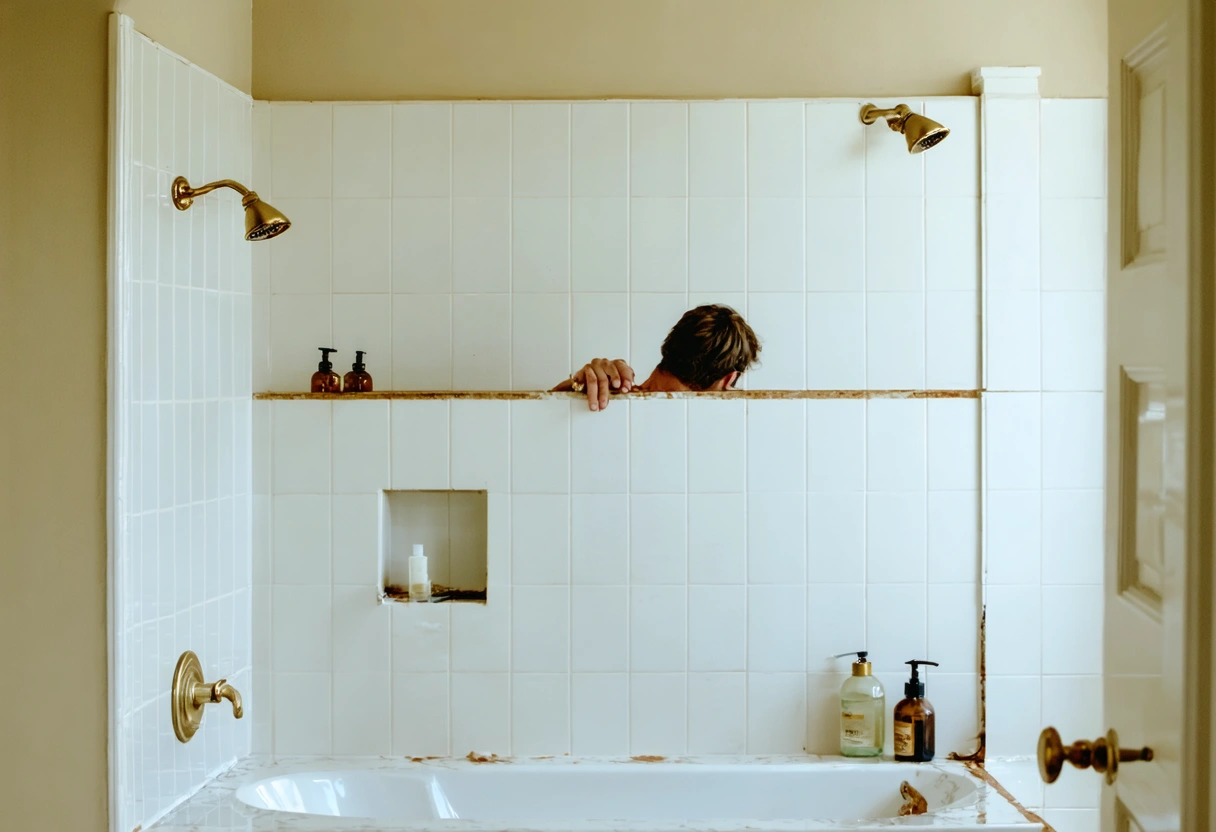
Use ground fault circuit interrupter protection where required and work with a qualified electrician to confirm outlet, switch, and fixture placement. Local requirements may affect how close electrical components can be to tubs and showers.
Choose an Exhaust Fan for Real Operating Conditions
Fan capacity should account for bathroom size, ceiling height, duct length, and the number of bends in the duct run. An oversized fan connected to restrictive ductwork may still perform poorly.
Exterior vents need dampers and weather resistant caps that discourage wind driven rain and pests from entering. In a tightly constructed home, the ventilation plan should also consider replacement air and overall heating and cooling performance.
Plan Cabinetry and Storage Around Air Circulation
Closed cabinets can trap humid air around towels, toiletries, and plumbing. Allowing a small amount of clearance beneath a wall mounted vanity can improve airflow and make the floor easier to dry.
Drawer organizers and removable cabinet liners help contain leaks and simplify cleaning. Beneath the sink, leave shutoff valves and drain connections accessible for inspection. A compact moisture alarm can provide early warning of a slow leak in a seasonal residence where plumbing problems might otherwise go unnoticed.
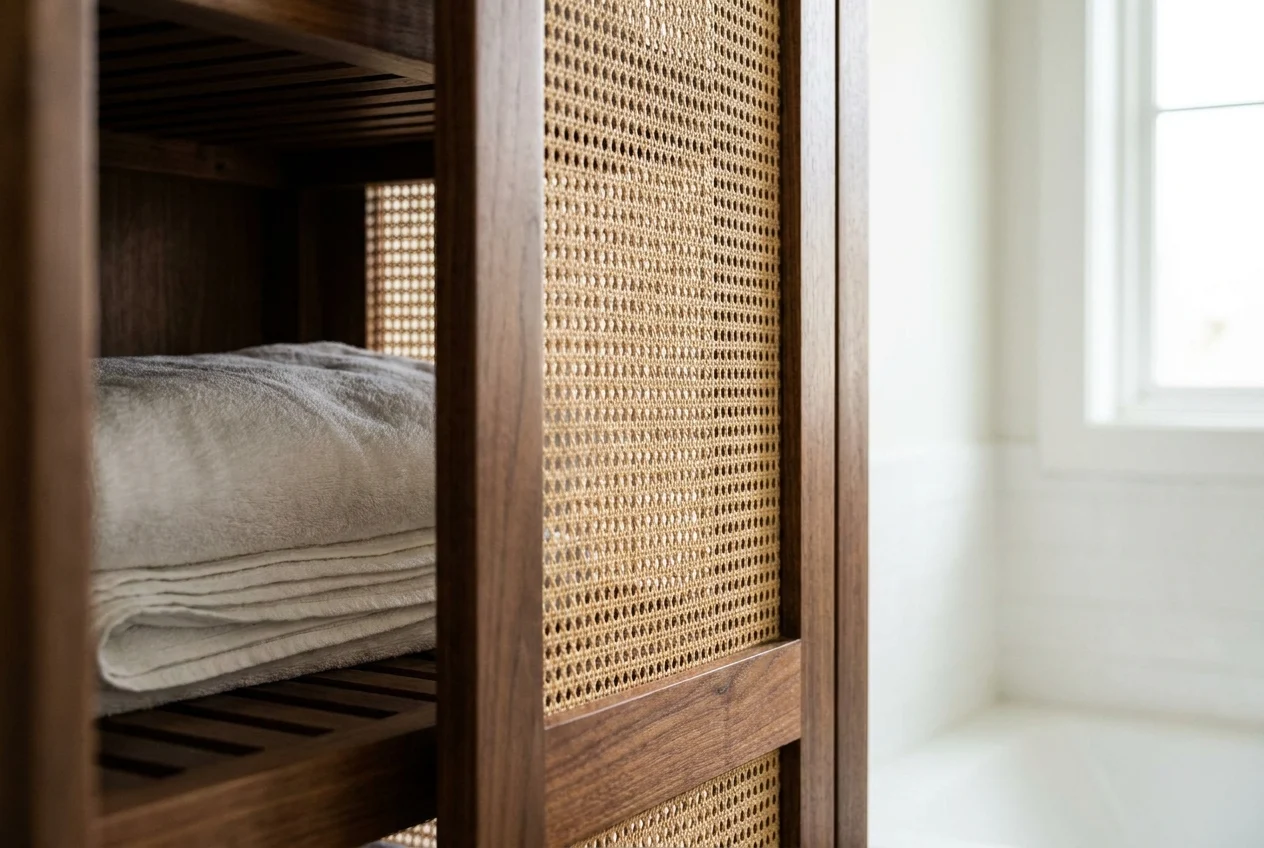
Linen storage should not be placed where it receives direct shower steam without adequate ventilation. Open shelving may improve airflow, but stored fabrics can collect salt and dust when windows remain open.
Prepare for Sand, Outdoor Use, and Seasonal Occupancy
Gasparilla Island bathrooms often serve people returning from the beach, pool, or boat. A handheld shower, wall hooks, a bench, and durable floor surfaces can make rinsing and changing easier.
Flooring should extend beneath freestanding vanities and other removable fixtures when practical, creating a continuous surface that is easier to clean and less vulnerable to hidden moisture.
Account for Periods When the Home Is Unoccupied
Seasonal homes require a plan for indoor humidity when the property is vacant. Air conditioning, dehumidification, and ventilation controls should maintain stable conditions rather than being switched off entirely.
Before an extended absence, inspect supply lines, shutoff valves, toilet connections, and sealant joints. Close windows, remove damp fabrics, and leave interior doors positioned to support conditioned airflow.
Build a Practical Coastal Maintenance Plan
Even highly durable materials benefit from routine care. Wipe salt residue from metal fixtures with fresh water and a soft cloth, then dry the surfaces.
Inspect shower corners, plumbing penetrations, vanity bases, and exhaust vents several times each year. Replace deteriorated sealant promptly, repair dripping fixtures, and clean fan grilles and ducts as needed.
A successful Gasparilla Island bathroom pairs coastal appropriate materials with careful installation and ongoing moisture control. Prioritizing dense surfaces, resilient cabinetry, corrosion resistant metals, effective ventilation, and accessible plumbing helps the renovated space remain attractive and functional despite humidity, salt air, sand, and seasonal use.
Need help with Bathroom Renovation Ideas for Gasparilla Island Homes: Materials That Stand Up to Humidity and Salt Air?